Speed Matters in Youth Sports Injuries
When a young athlete gets injured, the instinct is often to wait and see if it gets better on its own. But delaying care after a sports injury—especially in growing bodies—can set the stage for chronic problems that follow them into adulthood. The truth is, how quickly your child gets treated after a sports injury directly affects how fully they recover and whether they stay healthy long-term.
At Basco Chiropractic in Alameda, Dr. David Basco works with young athletes regularly and sees firsthand how early intervention changes outcomes. The window right after an injury is critical—this is when proper alignment, inflammation control, and early mobility matter most.
What Happens When Treatment Is Delayed
When an injury goes untreated, the body doesn’t simply heal in place. Instead, it adapts around the problem. A twisted ankle, a shoulder strain, or a spinal misalignment from a fall forces the body to compensate by shifting weight, changing movement patterns, and relying on surrounding muscles to stabilize the injured area.
This compensation works in the short term—your child may feel better and want to return to play. But the underlying injury hasn’t healed properly. Over weeks and months, those compensation patterns become habits. The muscles that took over strengthen in the wrong way, joint mobility decreases, and nerve function can be compromised. What started as a single injury can cascade into multiple problem areas.
Young athletes are especially vulnerable to this pattern because their bodies are still developing. A misaligned spine or joint from an unhealed injury can affect growth, posture, and movement mechanics for years to come.
The Secondary Injury Risk
One of the most common outcomes of delayed treatment is a secondary injury. When a child compensates for an original injury by favoring one side of their body, they’re overloading other joints and muscles that weren’t designed to carry that load. A knee injury that goes untreated might lead to hip problems. A shoulder strain can cause neck tension and headaches.
These secondary injuries often feel like they come out of nowhere—and parents sometimes think their child is just injury-prone. In reality, the body is telling us that the original injury was never properly addressed. Fast, proper care prevents this domino effect.
How Chiropractic Care Helps Young Athletes Recover Faster
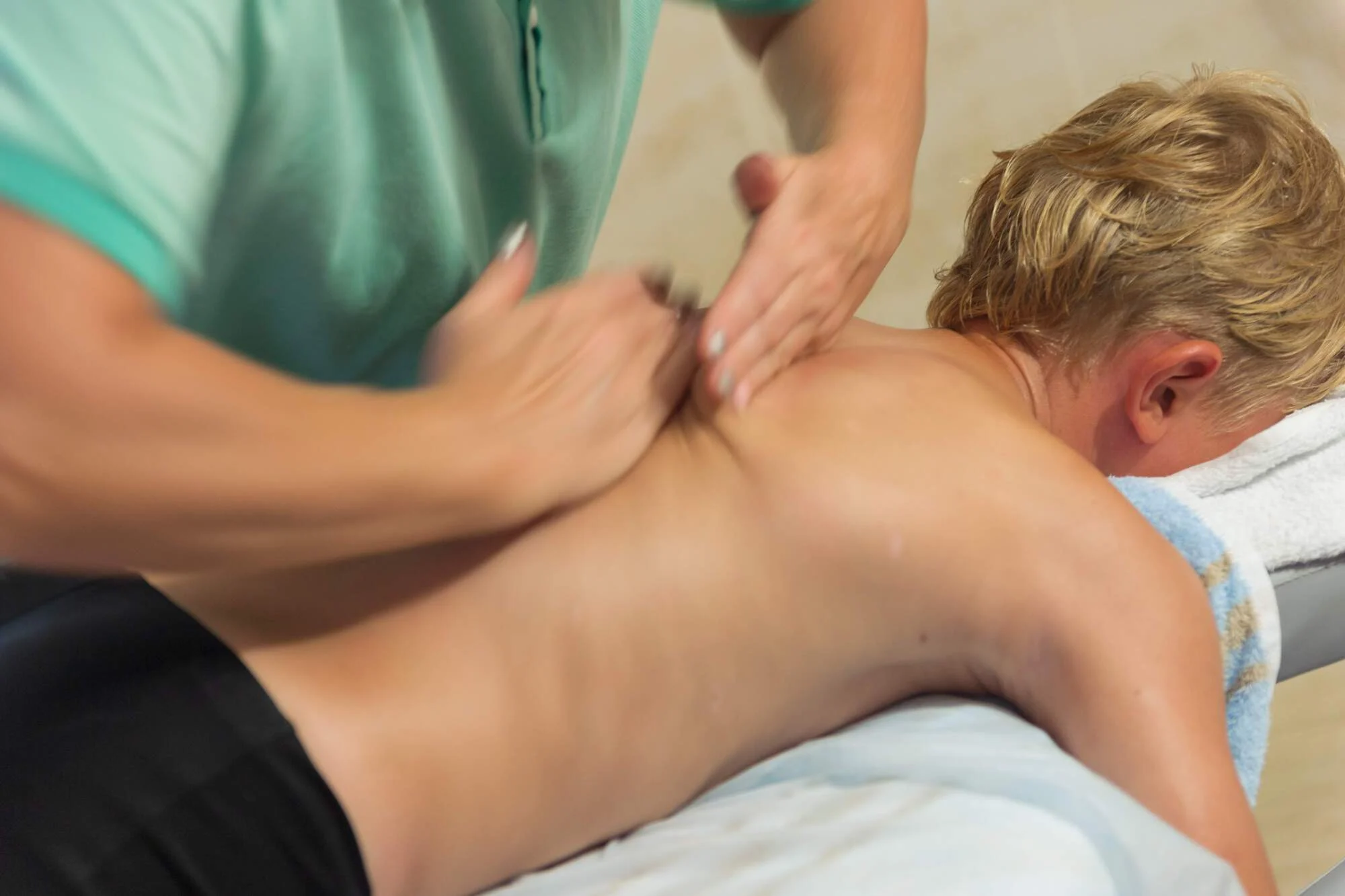
Chiropractic care is an ideal first response for youth sports injuries because it’s non-invasive, focuses on alignment and nervous system function, and gets results quickly. When Dr. David Basco evaluates a young athlete after an injury, he’s looking at the whole picture: spine alignment, joint mobility, muscle tension, and how the injury is affecting their movement patterns.
Spinal adjustments restore proper alignment, reducing nerve irritation and allowing the body to heal. Complementary therapies like hydrotherapy help reduce inflammation and support tissue recovery. This combination gets kids out of pain and back to safe movement faster than rest alone—and without the risks of prolonged immobility, which can actually prolong recovery.
Early chiropractic intervention also establishes baseline alignment and movement patterns that protect against future injuries. Your young athlete learns proper body mechanics and returns to play with confidence that their spine and joints are stable.
Getting Back to Play Safely
Parents and coaches understandably want kids back in the game. But “back to play” means nothing if the underlying injury hasn’t healed. Proper chiropractic care provides a clear path: injury evaluation, treatment to restore alignment and mobility, and a gradual return to activity that respects the healing timeline. Your child doesn’t just feel better—they’re actually better, with lower risk of re-injury.
If your young athlete has had a sports injury, don’t wait to see if it resolves on its own. Contact Basco Chiropractic in Alameda today to schedule an evaluation with Dr. David Basco. Fast, professional care now prevents chronic problems later—and gets your child back to the activities they love, safely and confidently.
Call (510) 523-6773 or visit our contact page.