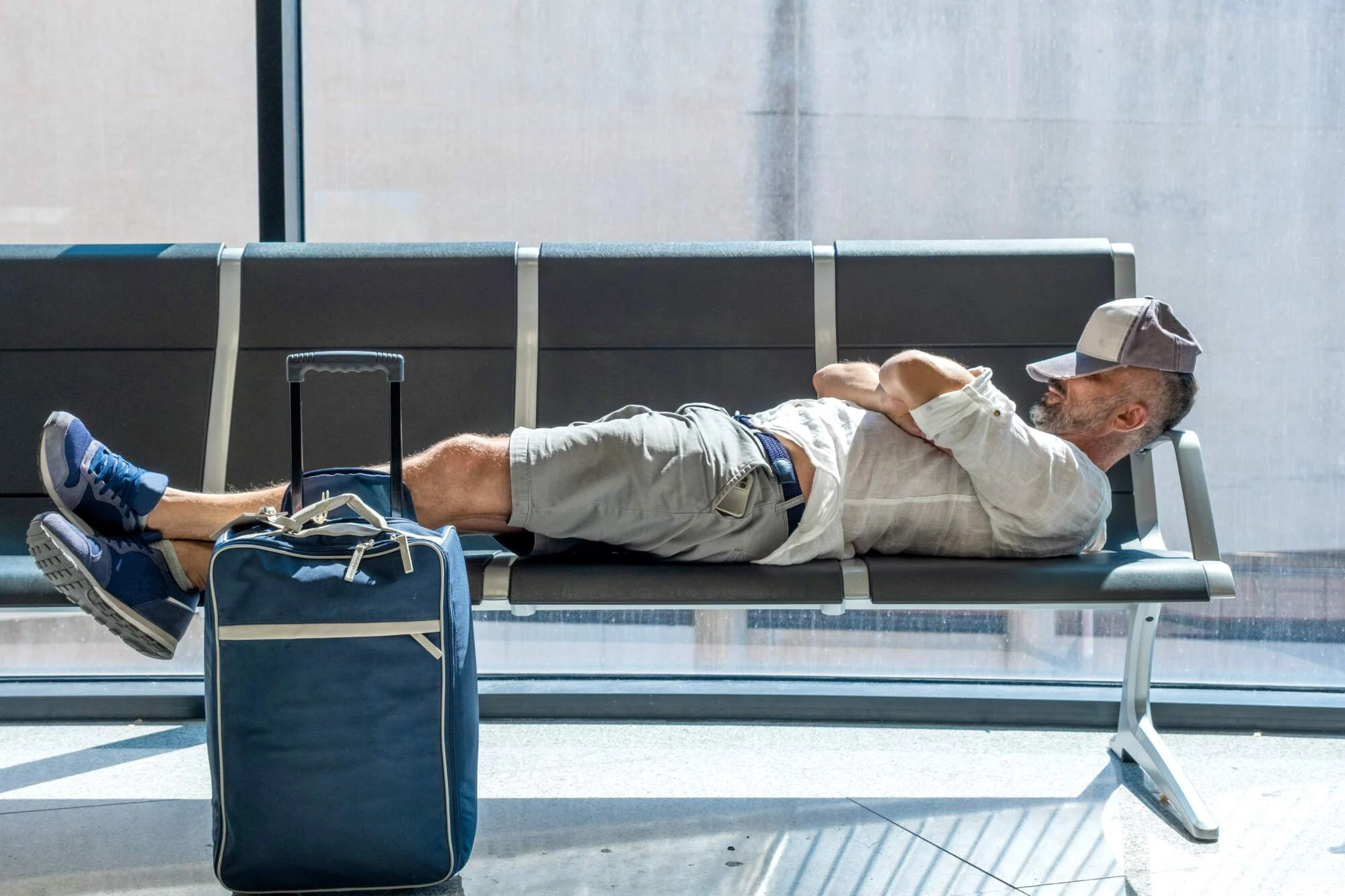
How Travel Fatigue Strains Your Spine
Winter holidays often mean plane tickets, time zone changes, and unfamiliar beds—a perfect recipe for jet lag. But jet lag does more than leave you tired. It disrupts your sleep quality, throws off your posture, and creates real strain on your neck and back. When your body’s circadian rhythm is out of sync, your muscles tense up, your alignment suffers, and you can arrive at your destination already hurting.
Understanding the connection between jet lag and spinal health helps you travel smarter and arrive feeling better. With a few preventive steps and the right support, you can protect your back before, during, and after your trip.
Circadian Rhythm Disruption and Muscle Tension
Your circadian rhythm controls far more than just when you feel sleepy. It regulates hormone release, inflammation levels, and even muscle recovery. When you cross time zones, this internal clock falls out of sync with your environment. Your body is trying to sleep when it’s daytime, or stay alert when it should rest.
During this confusion, your nervous system stays in a mild state of stress. Cortisol levels spike unpredictably, keeping your muscles on alert. The neck, shoulders, and lower back—areas already under pressure from travel—tighten up further. Add poor posture during a long flight or sleeping in an unfamiliar hotel bed, and you’ve created the ideal conditions for pain and stiffness.
Posture Problems During Long Flights
Airplane seats are notoriously uncomfortable. They force your spine into a forward slouch, strain your neck as you lean against the window or overhead compartment, and compress your lower back. When you’re already tired and your circadian rhythm is shifting, your postural muscles fatigue even faster. You slump further, creating a domino effect of misalignment.
The cabin pressure and dehydration on planes make this worse. Your spinal discs absorb water and plump up overnight; on a plane, they dehydrate and become less shock-absorbent. Combined with poor posture, this increases disc stress and can trigger pain that lasts days after landing.
Hotel Beds and Unfamiliar Sleep Surfaces
Even if you manage good posture on the plane, your hotel mattress may not support your spine the way your bed at home does. An overly soft mattress sags and twists your spine; a too-firm one doesn’t cushion your natural curves. Poor sleep posture compounds the muscle tension from jet lag, and you wake stiff, sore, and unrested.
Practical Tips to Protect Your Back While Traveling
- Adjust your sleep schedule gradually. A few days before traveling, shift your bedtime closer to your destination’s time zone. This eases your circadian rhythm into the new schedule and reduces the shock to your system.
- Stay hydrated on flights. Drink water consistently throughout your flight. Hydration helps your spinal discs maintain their cushioning and keeps your muscles more elastic and less prone to tension.
- Move every hour. Get up, walk the aisle, and do gentle stretches. Movement keeps your muscles from locking up and helps your nervous system stay calm.
- Support your posture in the seat. Use a small pillow or rolled towel behind your lower back. This simple prop maintains the natural curve of your spine and prevents slouching.
- Test your hotel bed early. Lie down for a few minutes when you arrive. If it feels unsupportive, ask for a firmer mattress or add a board under the mattress for extra support.
- Stretch before bed and upon waking. Gentle neck rolls, forward bends, and spinal twists help release tension and signal your body that it’s time to rest or wake.
Before and After Travel
The best defense is a healthy spine before you travel. A chiropractic adjustment at Basco Chiropractic before your trip ensures your spine is properly aligned and your nervous system is in balance. This gives you a stronger foundation to handle the stresses of travel and helps you sleep better before you leave.
After you return, another adjustment can address any strain from long flights and unfamiliar beds. Dr. David Basco can identify misalignments caused by poor travel posture and restore your spinal alignment, reducing pain and speeding recovery. This proactive approach means you recover faster and feel better sooner.
Jet lag is unavoidable, but spinal strain doesn’t have to be. With smart positioning, hydration, movement, and chiropractic support, you can travel this holiday season without leaving your back behind.
Call (510) 523-6773 or visit our contact page.