Understanding Disc Herniation and Bulging Discs
If you’ve recently experienced lower back or neck pain and heard the term “disc herniation” or “bulging disc,” you may be worried about what comes next. The good news: understanding what these conditions actually are can ease some of that anxiety, and knowing your treatment options can help you make an informed decision about your care.
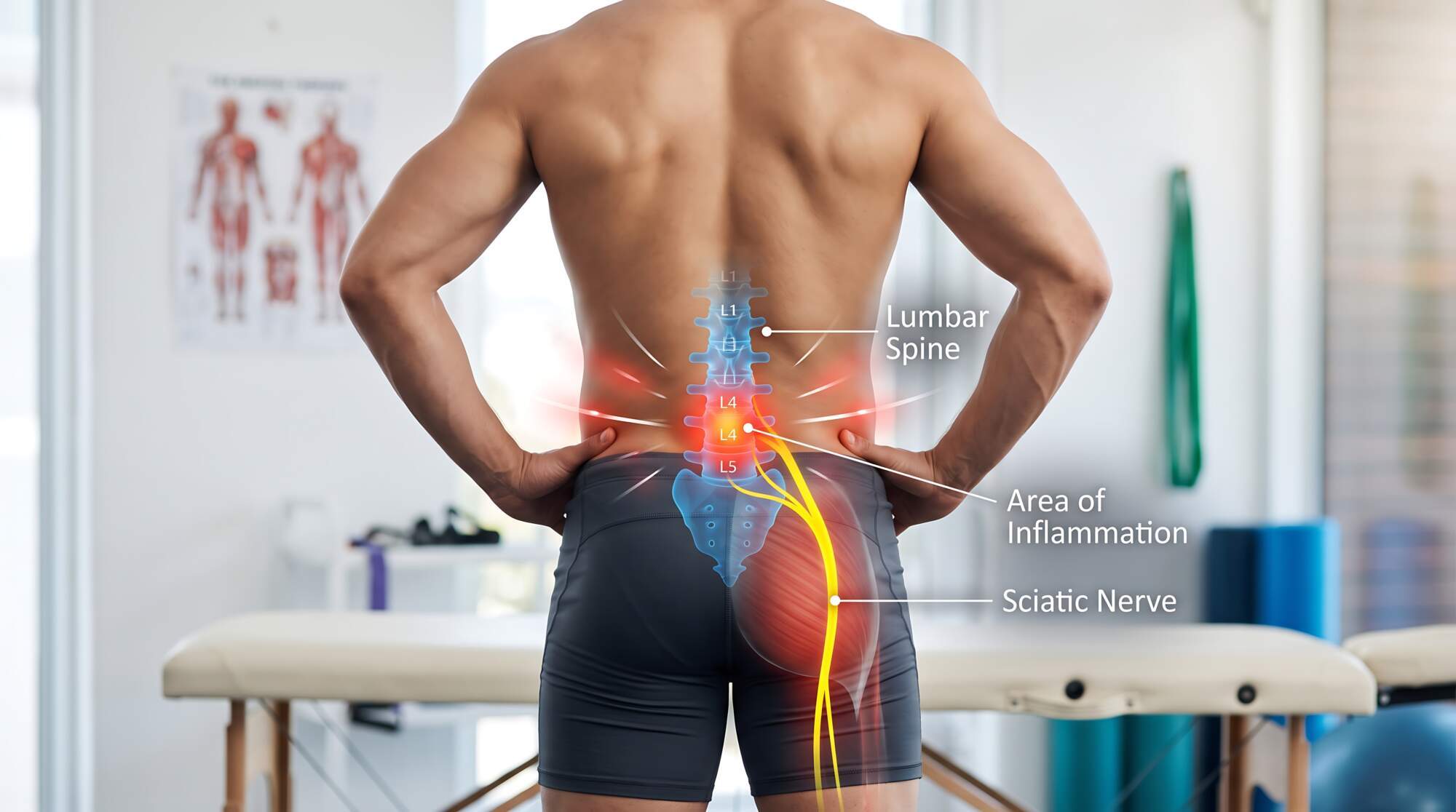
Your spine is made up of vertebrae (bones) stacked on top of each other, separated by discs. These discs act like cushions and shock absorbers, allowing your spine to flex and move. Each disc has a tough outer layer and a softer gel-like center. When a disc bulges, it means the outer layer weakens and the disc pushes outward into the spinal canal—but it hasn’t yet cracked or ruptured. A herniation occurs when that outer layer actually tears, allowing some of the inner gel to leak out. Both can press on nearby nerves, causing pain, numbness, or tingling in your arms, hands, legs, or feet.
Early Treatment Matters
The key to successful recovery from disc problems is early intervention. Many patients panic when they hear “disc herniation” and assume surgery is inevitable. That’s simply not true. When caught early and treated conservatively—through non-invasive methods—the vast majority of disc-related conditions improve significantly without ever needing the operating room.
Your body is remarkably capable of healing itself. Inflamed discs can reduce swelling, herniated material can be reabsorbed, and nerve pressure can be relieved through proper care and time. The challenge is removing the pressure on those nerves and supporting your spine while healing happens.
Dr. David Basco and the team at Basco Chiropractic work with disc herniation patients regularly, using evidence-based techniques to reduce nerve compression and restore spinal function. Chiropractic adjustments help realign your vertebrae, taking pressure off damaged discs and allowing better movement throughout your spine. This improved mobility is essential—it promotes blood flow to the injured area and encourages the body’s natural healing response.
Beyond adjustments, your chiropractor may recommend stretches, core-strengthening exercises, and posture modifications to protect your healing disc and prevent re-injury. These lifestyle adjustments are crucial parts of conservative care that patients often overlook.
Spinal Decompression Therapy and the DRX9000
For more stubborn cases, spinal decompression therapy offers a powerful non-surgical option. The DRX9000, available at Basco Chiropractic, uses controlled traction to gently separate vertebrae and create negative pressure within the disc space. This decompression encourages herniated or bulging disc material to move away from nerve roots, relieving pain and restoring function.
The process is painless, non-invasive, and performed in a controlled clinical setting. Many patients experience significant relief within a series of sessions. The beauty of this technology is that it addresses the root cause—the disc itself—rather than just masking symptoms.
Recovery from a disc herniation or bulge typically takes weeks to months, depending on severity. You may experience immediate pain relief from your first adjustment, or improvement may come gradually as inflammation subsides and your spine stabilizes. Consistency matters: following your treatment plan and doing your prescribed exercises at home accelerates healing.
Most patients who pursue conservative care report excellent outcomes. They regain pain-free movement, return to work and hobbies, and avoid the risks, recovery time, and cost associated with surgery. The Alameda community has trusted Dr. David Basco to guide them through disc-related pain with proven, non-invasive methods.
If you’re experiencing back or neck pain and worried about your diagnosis, don’t assume the worst. Schedule a consultation to discuss your specific situation and learn how chiropractic care and spinal Call (510) 523-6773 or visit our contact page.